2026 Annual Meeting Recap
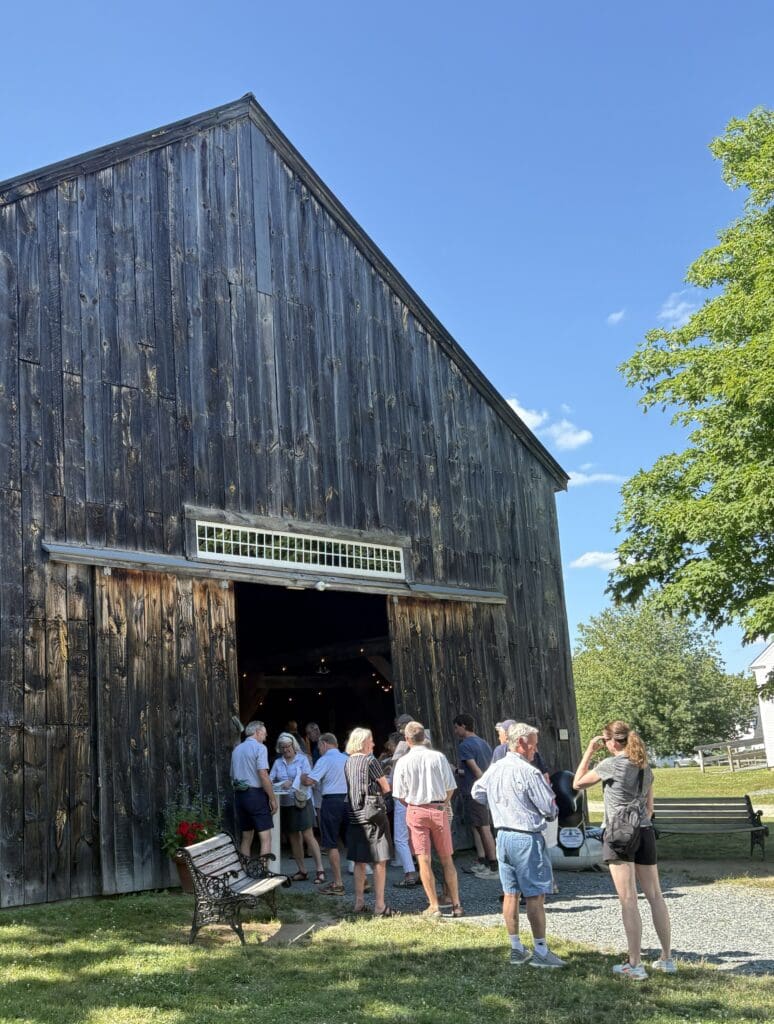
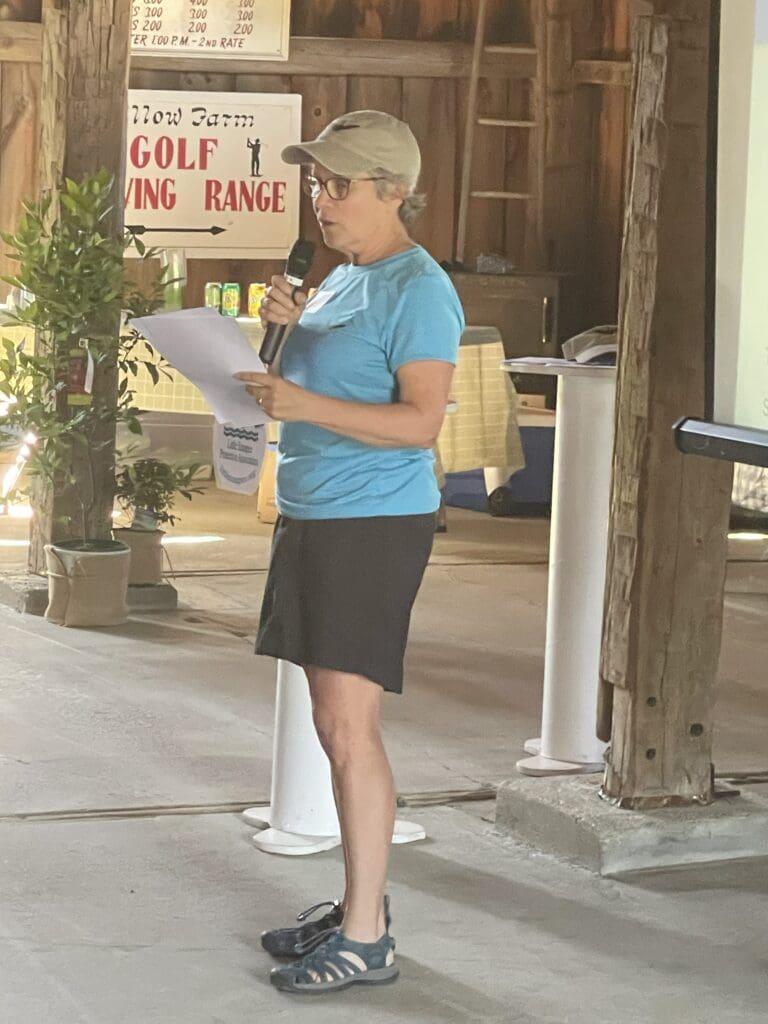
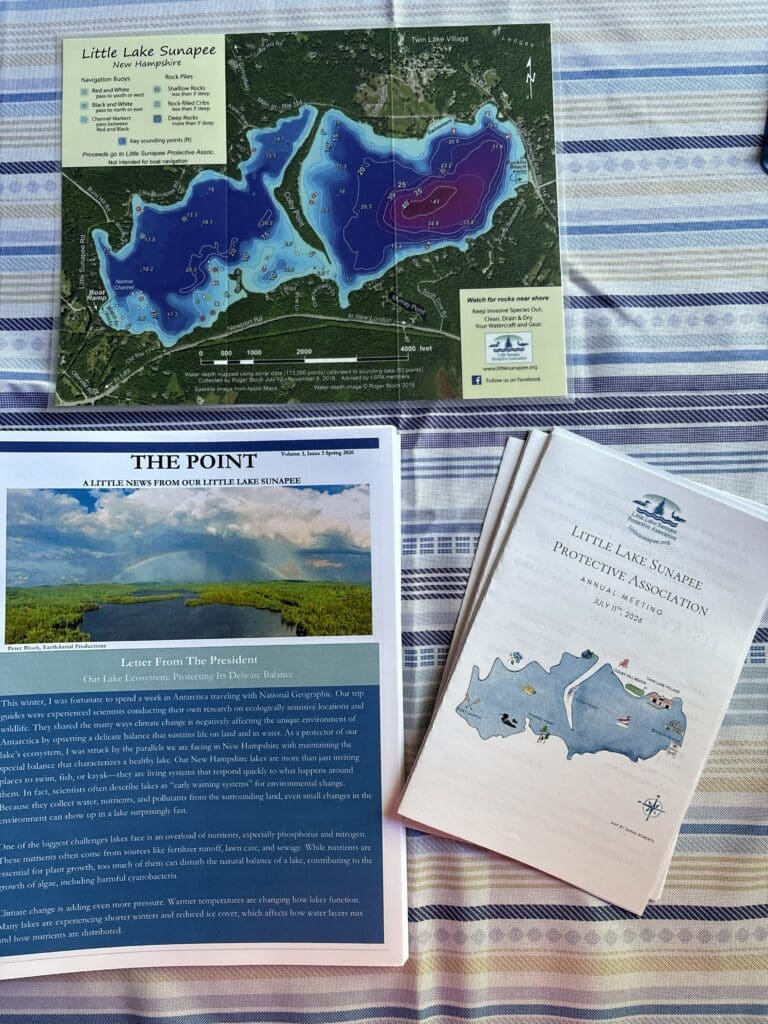
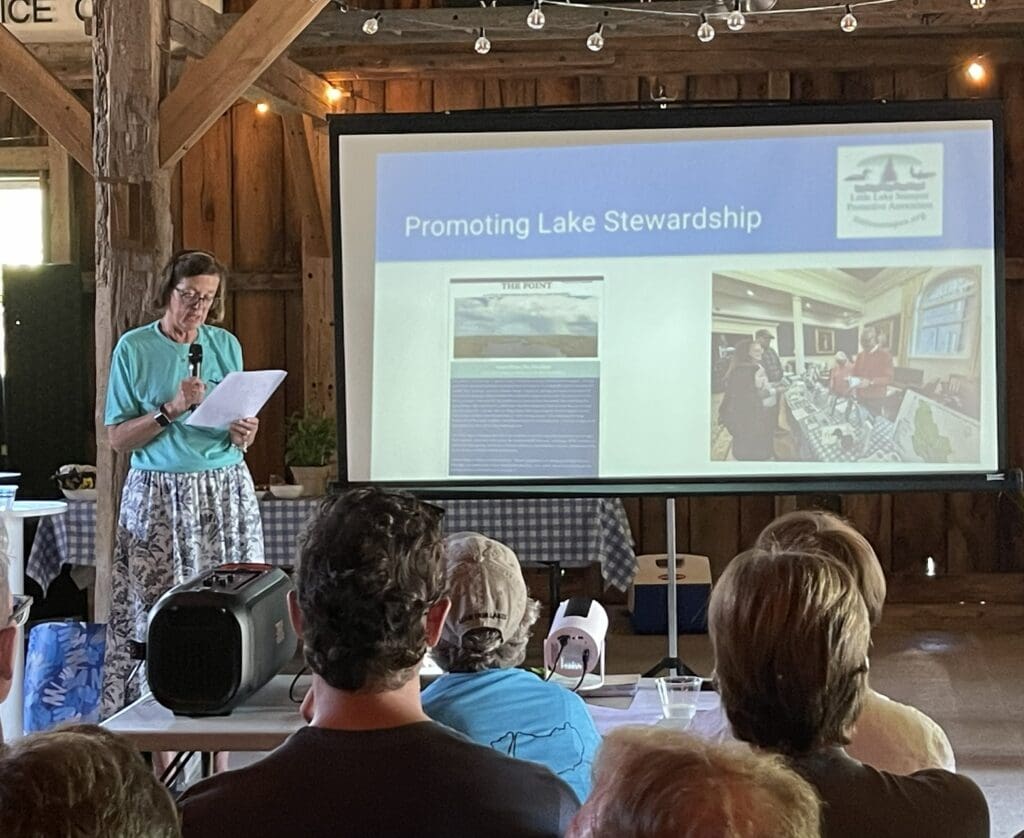
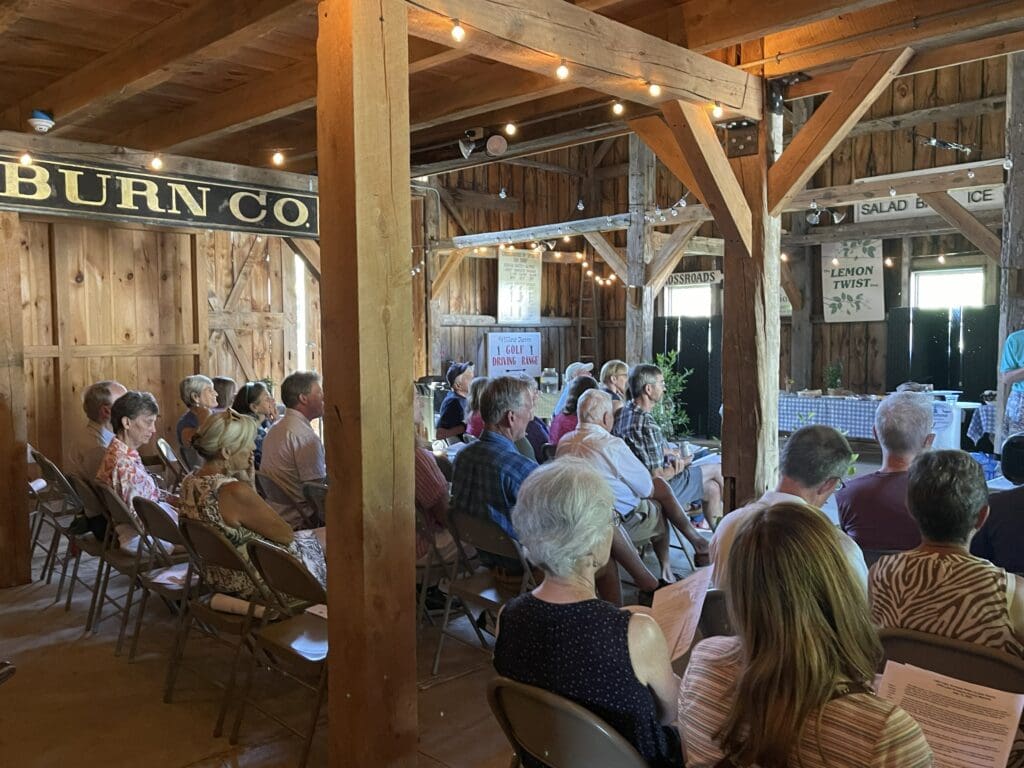
LLSPA held its 2026 Annual Meeting on July 11 at the New London Historical Society Barn from 4 to 6 PM. The business meeting occurred during the first hour. It highlighted 6 Lake-Friendly habits:
- Keep nutrients out of the water.
- Use fewer chemicals, especially near water.
- Help plants protect the lake.
- Use salt only as a last resort.
- Slow runoff and keep it on land.
- Enjoy our lakes wisely.
The past year’s accomplishments included:
- Addressing fragile shoreline projects
- Enhancing and expanding water quality testing
- Promoting lake stewardship through Tracy Library
- Improving our advocacy skills
- Creating the “Love Our Lakes” initiative
- Strengthening our partnerships
A social hour followed offering homemade appetizers and beverages for all.
We thank environmentalist Nisa Marks, our guest speaker, whose presentation Plant to Protect: Vegetation & Water Quality explained the importance of shoreline planting and its impact on lake health. Click here to see the slides in her presentation. We are also grateful to these individuals who shared information: Nick Scheu, shoreline plants; Mike Thomas, water quality; Roger Bloch, winter geological probing project; and Rich Badminton, Love Our Lakes With All It Takes initiative.
We also thank outgoing President, Deb Hoover, for three years of indefatigable leadership. Peter Gunn was also recognized for his years of service on the LLSPA Board.
The new slate of officers elected by our membership include: Kathy Thomas, President;
Barry Fougere, Vice President; Amy Bucklin, Treasurer; and Don Castle, continues as Secretary. And we welcomed our newest Director, Ann Hrabchak, who replaces outgoing board member Peter Gunn.

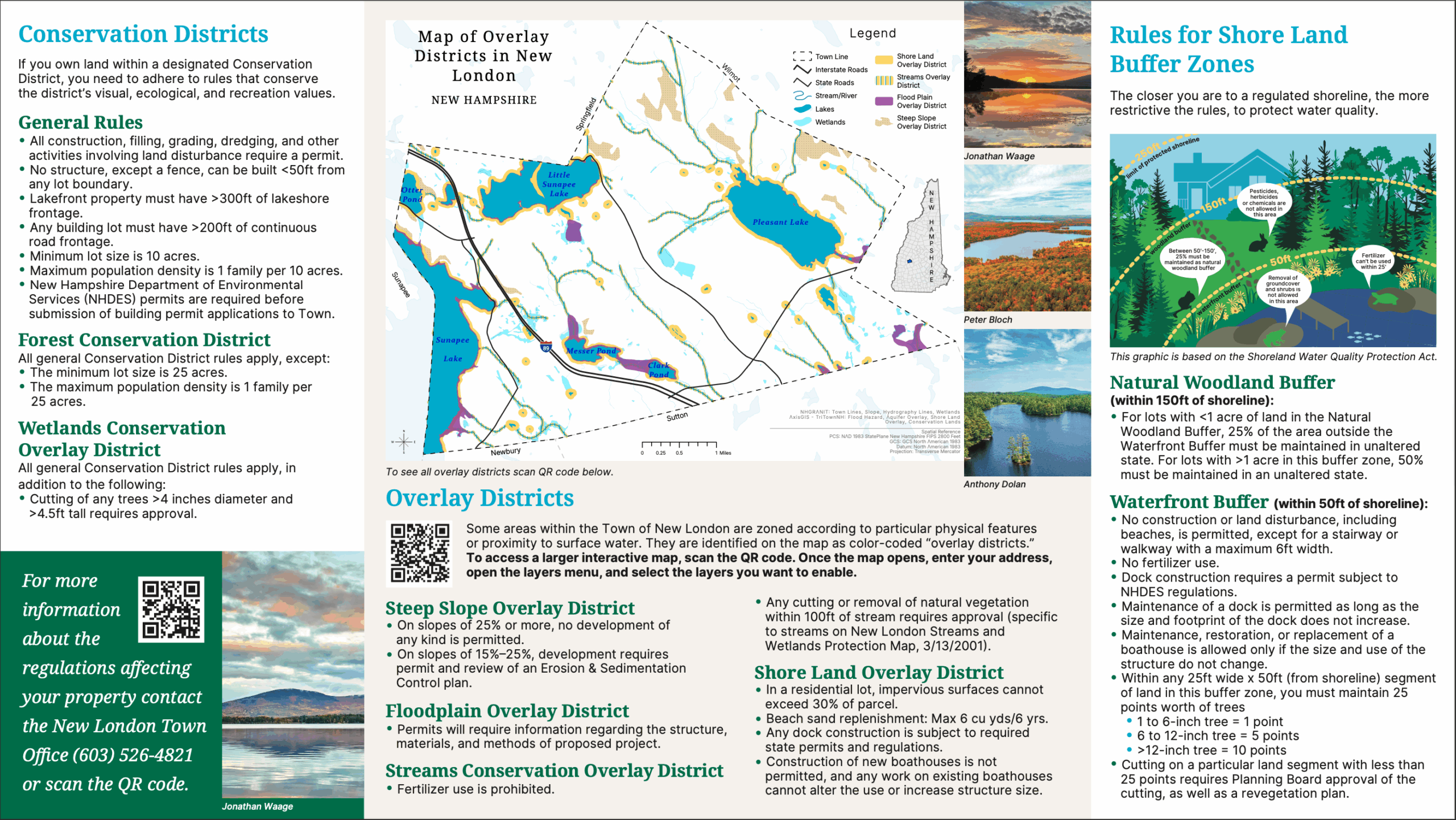
The EPA’s “SepticSmart” Recommendations

SepticSmart Week is an annual event that occurs the third week of September. SepticSmart Week 2026 is September 14-18. For more info, go to epa.gov/septic.
LLSPA Receives Commendation from Governor Ayotte
On August 13, 2025, at the Executive Council meeting at Mt. Sunapee Resort, the Little Lake Sunapee Protective Association received a commendation from Governor Kelly Ayotte for its stewardship of Little Lake Sunapee. The commendation recognizes our Association’s efforts to protect water quality, prevent the spread of invasive species, and promote responsible land management.
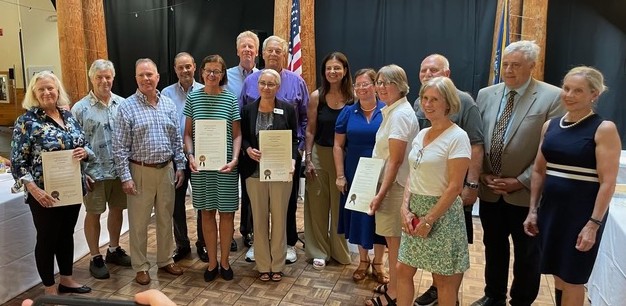
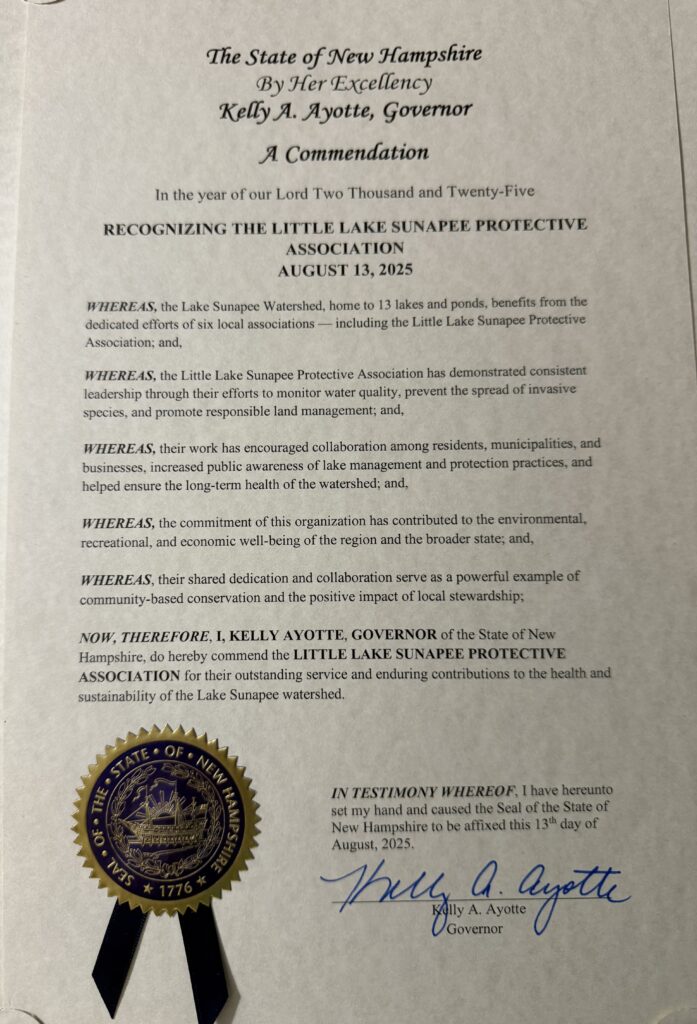
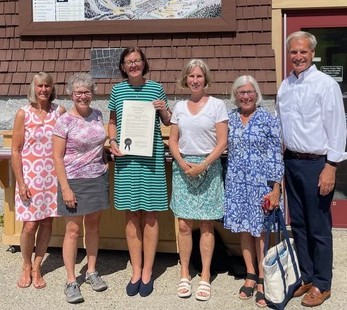
LLSPA Board Members pictured are Cynthia Kelsey, Kathy Thomas, Deb Hoover, Nancy Girald, Sally Barker, and Rich Badmington
Being a Smarter Salter
Snowstorms prompt us to apply salt to outdoor surfaces. During the winter months, by gradually reducing the amount of salt you apply, you will be lowering the adverse impact it has on the lake we all love.
Please think about decreasing the use of salt, and even consider deploying the alternative practices outlined below.
The amount of salt distributed all around us is significant and collectively in amounts that place the current and future quality of our watershed in jeopardy. Our individual and collective efforts can help to turn the tide and ensure the vitality of our lake for the future.
Thank you for considering and exploring alternatives to salting.


During the winter, the lake may look to be completely frozen after a few weeks of freezing and thawing. BUT – ALWAYS be sure it is safe to support the weight that you and your party bring to the ice.

Harmful Algal Blooms
Article from the New Hampshire Department of Environmental Services on harmful algal blooms available at the following link, https://www.des.nh.gov/water/healthy-swimming/harmful-algal-blooms
Best Practices Using Bubblers and Dock De-Icers on the Lake
During the winter months, the safety of all who recreate on the ice is our highest priority. If you need a bubbler to protect your dock or boat house, please heed the information and advice in the link below. If used incorrectly, these devices may cause the ice to thin out and create a hazardous set of circumstances for those who may be out there for activity and enjoyment. Thank you to LSPA for this article.
https://www.lakesunapee.org/dock-deicers


